Fentanyl is a synthetic opioid developed for surgical anesthesia. It now shows up in almost every category of street drug. You cannot see it, taste it, or smell it. A dose the size of a few grains of salt can stop your breathing in under two minutes.
Street names and slangFentanyl is a synthetic opioid. This means it is made entirely in a lab instead of being derived from a poppy plant. Developed for medical use in the 1960s, it is still prescribed today for severe chronic pain and surgical anesthesia under the brand names Duragesic and Actiq. In medical settings, it is tightly controlled and dosed in micrograms.
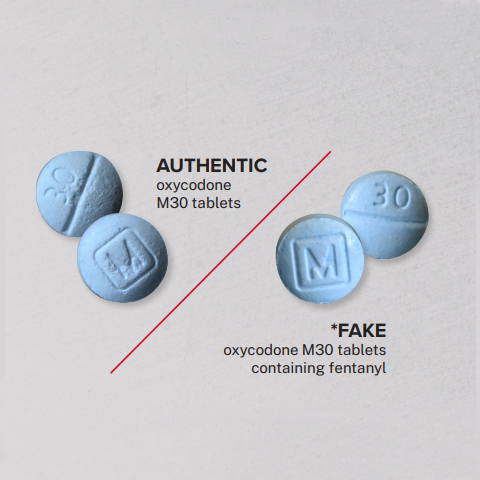
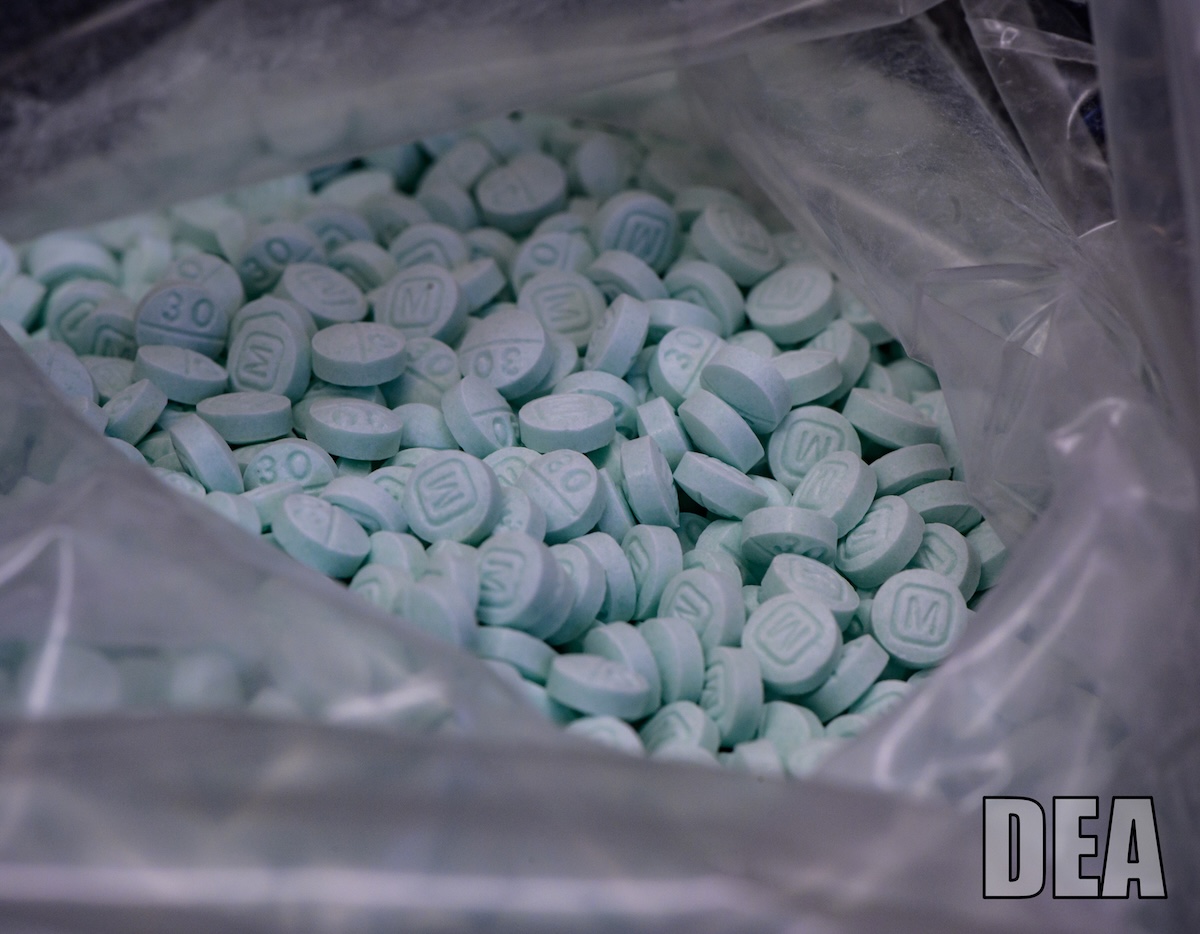
The fentanyl killing people on the street is different. It is illicitly manufactured in overseas labs and smuggled into the US through the southern border as powder or pre-pressed pills. Cartels press it into counterfeit M30 oxycodone pills because it is cheap to produce and extremely profitable. A single kilogram of fentanyl costs a few thousand dollars to manufacture yet contains enough doses to kill hundreds of thousands of people.
It works by binding to opioid receptors in the brain and body. At low doses, it creates intense euphoria and pain relief, but at higher doses, it suppresses the brain stem signals that keep you breathing. The gap between a dose that feels good and a dose that stops your breathing is smaller with fentanyl than with any other common street drug.
When cocaine, meth, or pressed pills contain fentanyl, users have zero opioid tolerance. A dose that a regular opioid user would survive can kill someone using fentanyl for the first time. This is why so many cocaine and stimulant users are dying from opioid overdoses.
In September 2025, the DEA issued a warning that carfentanil is now appearing in counterfeit M30 pills. This drug is 100x stronger than fentanyl and is typically used to tranquilize large animals. It has been detected in 37 US states. A dose smaller than a grain of salt is lethal.
These numbers are from peer-reviewed pharmacology studies. The gap between fentanyl and other opioids is exponential.
Relative Potency: Morphine as Baseline (1x)
Why Potency Means Zero Room for Error
Approximately 200mg. This is the size of a small capsule that is easy to see and measure.
Approximately 75mg. This remains visible to the naked eye and can be measured.
2mg (a few grains of salt). It is invisible on a pill surface and undetectable by taste or smell. Lab equipment is required for safe division.
Impact begins at the second of contact. Fentanyl starts shutting your breathing down before the high even peaks. The high feels good while your body is already in crisis.
A person may wake up from Narcan and appear recovered. They can fall back into an overdose as the Narcan wears off while fentanyl is still active. Never leave them alone. Call 911 even if Narcan appears to work.
Short answer: the high is gone in minutes. The drug is still in your body for days - sometimes months. And the type of test determines exactly how long they can catch it.
Bars scaled relative to 90-day hair follicle window
Your liver breaks fentanyl down into a metabolite called norfentanyl within minutes. Norfentanyl stays detectable in urine significantly longer than fentanyl itself - which is what makes drug tests effective even days after the high is long gone. Standard fentanyl panels are designed specifically to pick up norfentanyl.
Half-life is the time it takes for your body to eliminate half the drug from your system. It takes 4-5 half-lives for a drug to be mostly gone. Fentanyl's half-life varies wildly based on how it was taken - a smoked or injected dose clears blood in hours, while a patch keeps releasing for days. The drug in your fat tissue takes even longer to fully clear.
Single use clears fast. Regular use causes fentanyl to accumulate in fat and muscle tissue - detection window extends significantly with daily use.
🔴 High ImpactFentanyl is highly lipophilic - it loves fat tissue. Higher body fat = more places the drug hides and releases slowly back into blood.
🔴 High ImpactFentanyl is metabolized by the liver and excreted by the kidneys. Any impairment in either slows clearance and extends detection windows significantly.
🔴 High ImpactLarger doses take longer to fully metabolize. With fake street pills, dose is completely unpredictable - making clearance time impossible to estimate.
🟠 Moderate ImpactAge, genetics, and overall health all affect how fast your liver processes drugs. Older age and certain medications slow CYP3A4 - the enzyme that breaks down fentanyl.
🟠 Moderate ImpactBeing well-hydrated helps flush metabolites through urine faster. Dehydration concentrates urine, which can actually make detection easier - not harder.
🟡 Lower ImpactNot automatically. Standard 5-panel tests screen for opiates like heroin and morphine, but fentanyl is a synthetic opioid that often requires a specific fentanyl add-on panel. Many employers, courts, and probation offices now use extended panels that include fentanyl specifically. If you are facing a test, assume it includes fentanyl.
Yes. A single use is detectable in urine for roughly 1-3 days, in blood for up to 12 hours, and in saliva for 1-2 days. Hair follicle tests may not catch a one-time use reliably since it takes 5-7 days for drug-containing hair to grow above the scalp to a collectable length.
Yes. Because patches release fentanyl slowly over 72 hours, and the half-life is approximately 17 hours after patch removal, the drug stays in your system significantly longer compared to IV or smoked fentanyl. Urine detection after patch removal can extend to 4-7 days.
No - and this is critical. The euphoric effects of fentanyl last 30-90 minutes. But the drug and its metabolites remain in your body for days. This is also why redosing too soon is so dangerous - the first dose is still partially active even when you can no longer feel it, and adding another on top can stop your breathing entirely.
You have minutes - maybe less. Read this now, remember it later. Good Samaritan laws protect you in most states when you call 911. You will not get in trouble for saving someone's life.
Every second you wait is seconds of oxygen the brain is not getting. Call 911 first. Give Narcan second. Do not wait to see if they come around on their own.
Say: "Someone is unresponsive, possible opioid overdose." Give your address and stay on the line. They will walk you through everything.
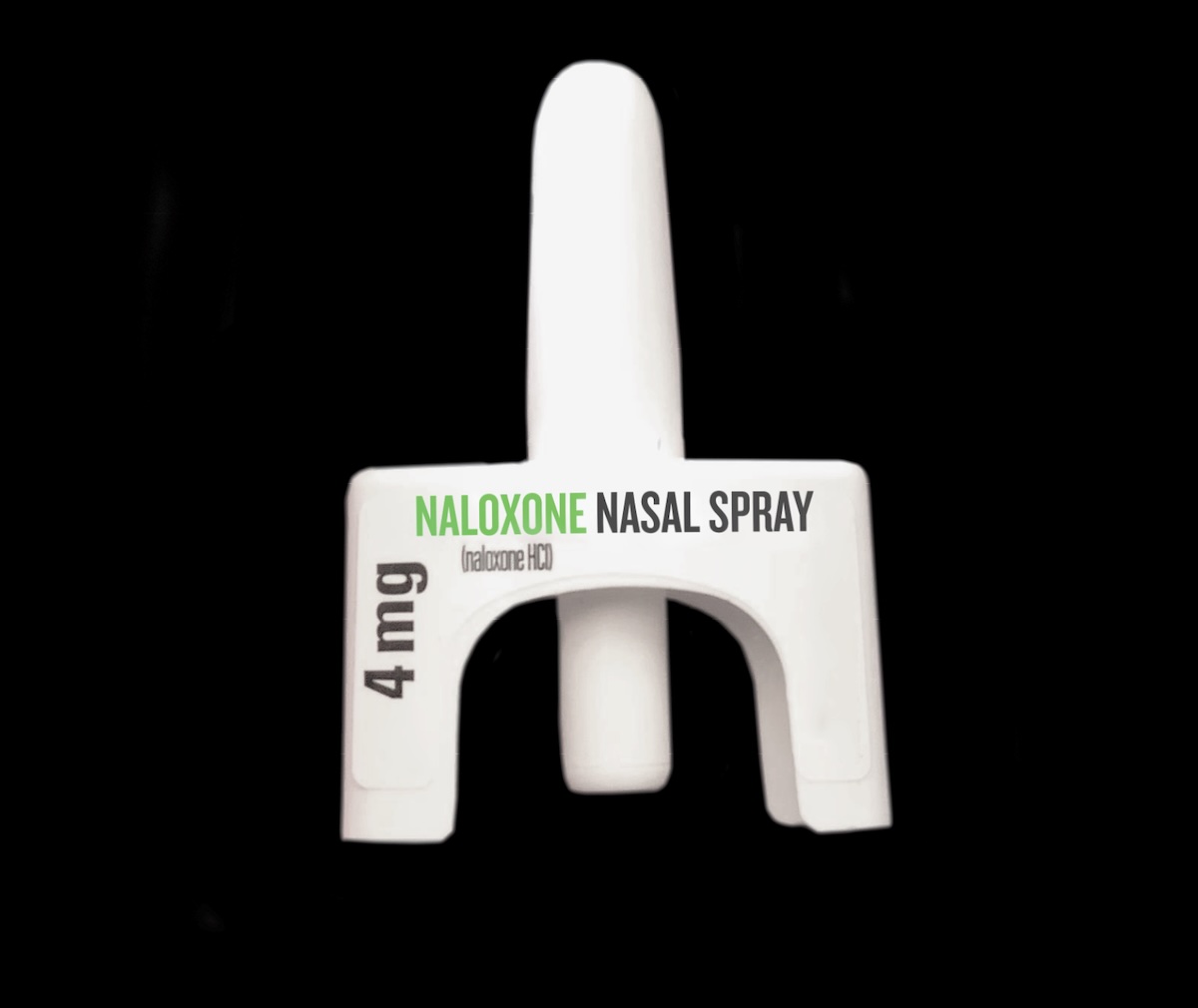
Insert nozzle into one nostril. Press the plunger hard. Roll them on their side after dosing. It cannot hurt them if they did not take opioids.
Fentanyl regularly requires more than one dose to reverse. Give the second dose in the other nostril. Keep going until EMS arrives.
Tilt head back, lift chin, one breath every 5 seconds. 911 will guide you in real time. You do not need training - just do it.
Narcan wears off before fentanyl does. They can go back into overdose within 30-90 minutes of waking up. Stay with them until EMS arrives.
CVS, Walgreens, and Walmart carry it over the counter in most states. Text your zip code to NEXT (698-211) to find the nearest free distribution site. Many local health departments hand it out free of charge, no questions asked.
Good Samaritan laws protect you in most US states. If you call 911 during an overdose you will not be arrested for drug possession. The point of the law is to remove the fear of calling for help. Call first. Worry about the rest later.
Check your state ->It is not just the sketchy blue M30s anymore. Fake Adderall, fake Xanax bars, fake Percocet. Any pill not from a sealed pharmacy bottle with your name on it is a gamble with your life — and your friend does not know either.
It does not matter what it looks like, who gave it to you, or what they paid for it. Your friend is not a pharmacist. The person who sold it to them was not either. Somewhere in that chain, it was pressed in a lab that does not care if you live.
They might genuinely have a prescription. Or they bought a bottle off someone at school who bought it off Snapchat. The chain is invisible and it ends at a cartel press.
🎓 Campus RiskFake Xanax bars at parties combined with alcohol is one of the most common causes of overnight teen overdose deaths. They fall asleep. They do not wake up.
🍻 Party RiskFentanyl hot spots mean consistency does not exist. The pill that did not kill them 99 times can still kill them — or you — on pill 100. The batch changed. The dose changed.
☠️ Hot Spot RiskWhen cartels press fake pills, the fentanyl powder does not mix evenly into the batch. One pill can contain a microdose. The pill next to it can contain 10 times the lethal dose. This is called a hot spot. It means tolerance built from previous use means nothing. It means your friend taking one before you means nothing. Every single pill is its own spin of the wheel.
The DEA's One Pill Can Kill campaign: in 2024 alone, 60 million fentanyl-laced counterfeit pills were seized alongside 8,000 pounds of powder — enough for over 380 million lethal doses. That was what was caught. An unknown multiple reached the street.
DEA.gov/onepill →Real photos from DEA seizures, law enforcement operations, and public health agencies. Counterfeit pills are designed to look pharmaceutical. They succeed.
Counterfeit Pills
DEA.gov
Cartel-pressed blue M30s are visually identical to real oxycodone. The only difference is what is inside.
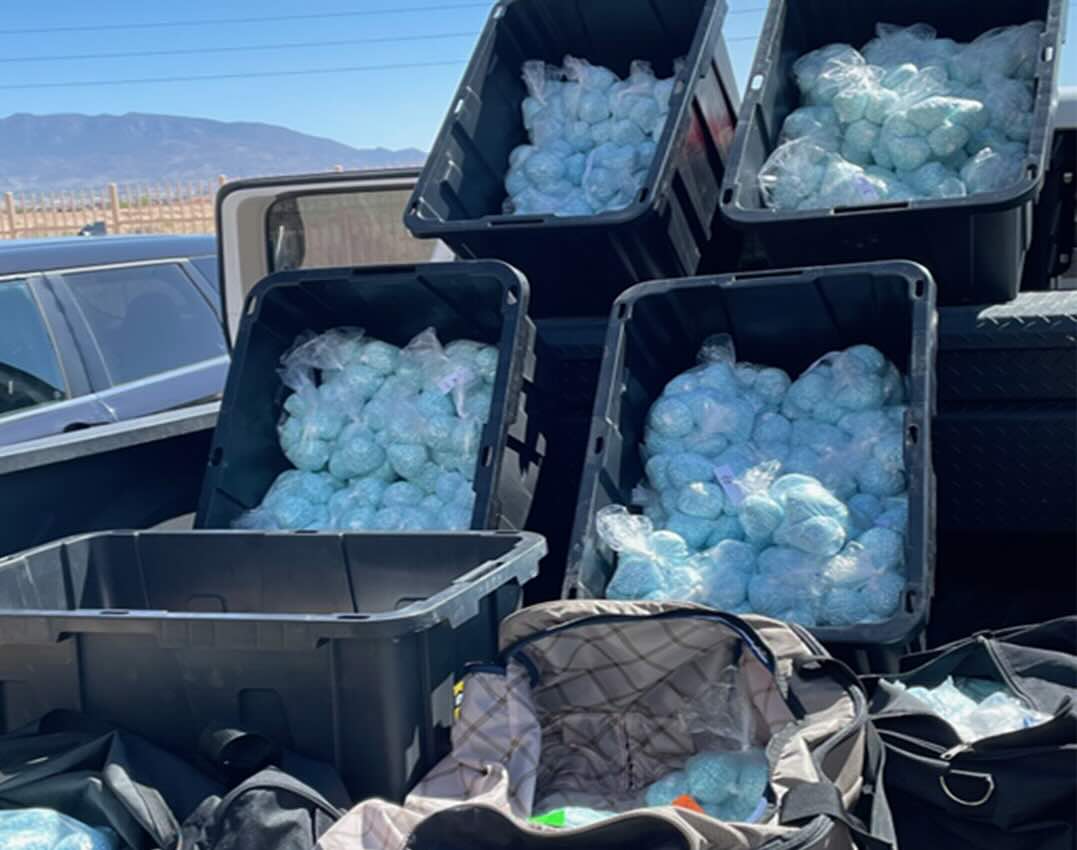
DEA Seizure
DEA.gov
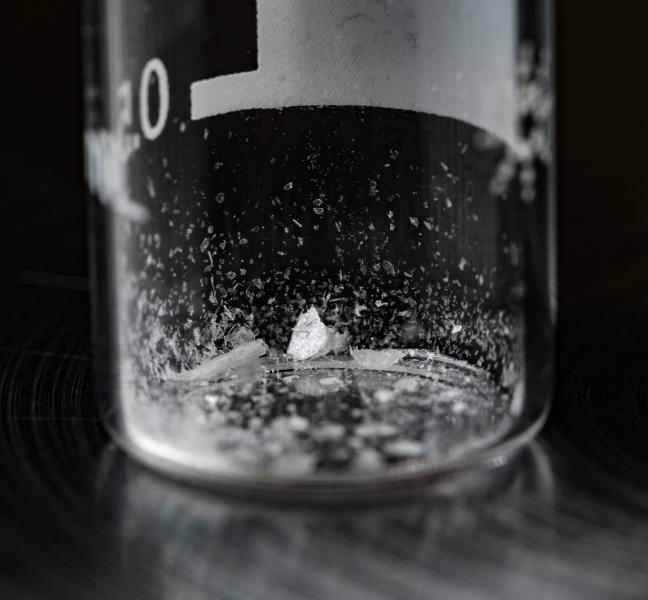
Contains approximately 500,000 lethal doses.
Pill Press
DEA.gov
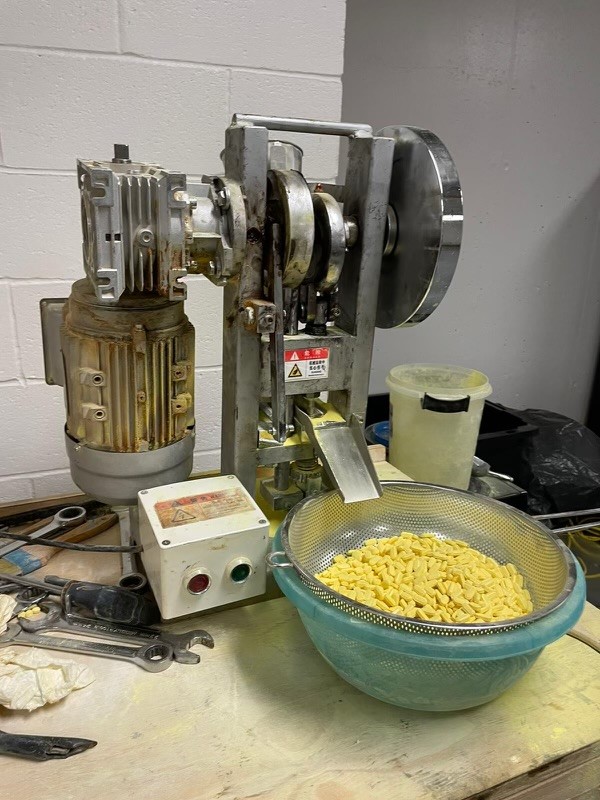
Industrial presses stamp thousands of counterfeit pills per hour.
Harm Reduction
CDC.gov
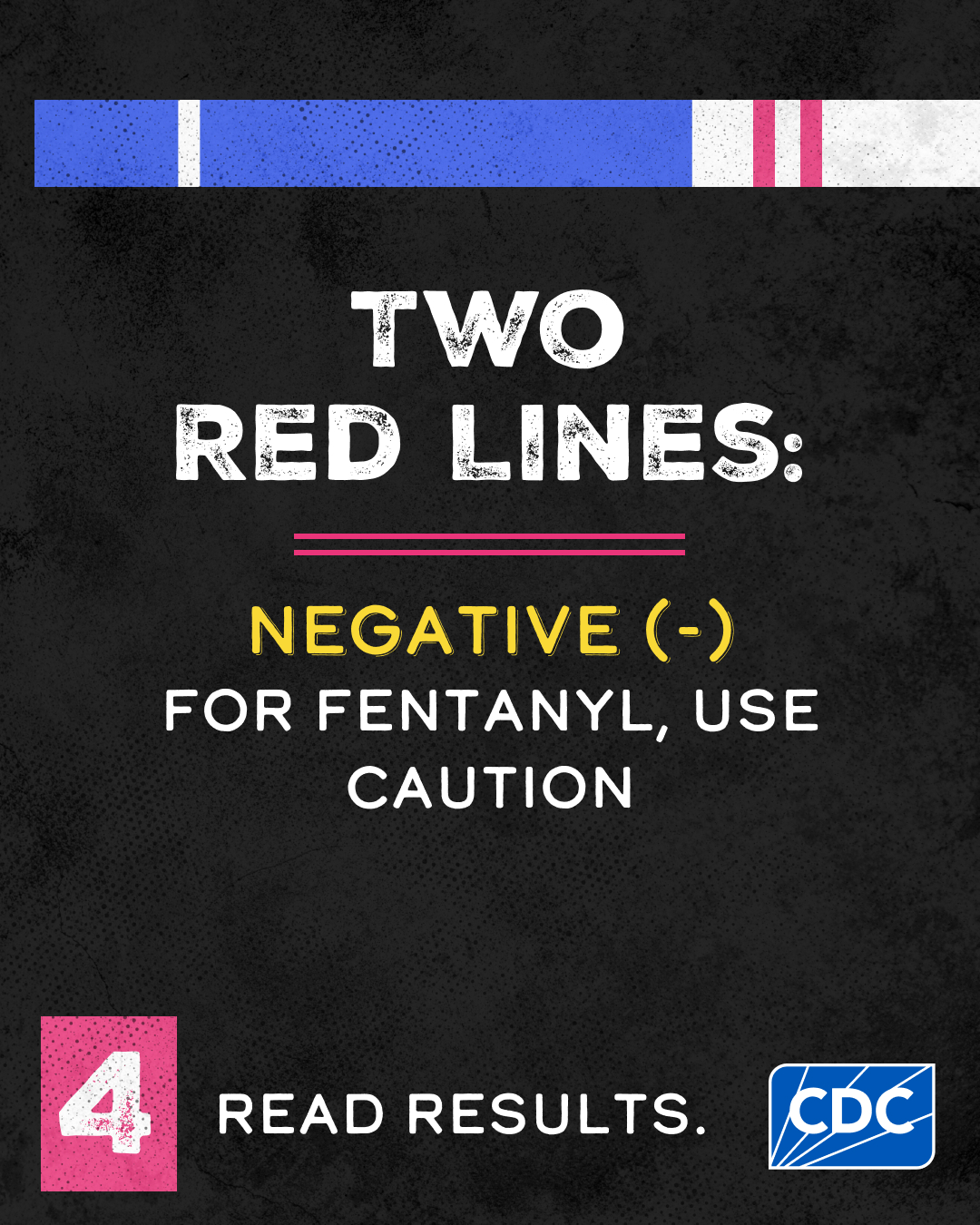
Results in 2–5 minutes. Free at most harm reduction programs.
Narcan
CDC.gov
CVS, Walgreens, Walmart. Carry two doses — fentanyl often needs more than one.
DEA 2025
DOJ.gov
Historic Bust
DOJ.gov
Memorial
DEA.gov
Images sourced from DEA.gov, CDC.gov, and DOJ.gov. All images are public domain or used under official government media use policy.
Real articles from major outlets, published 2025–2026. Not worst-case scenarios — the current reality of the crisis.
396kg of pills and 11.5kg of powder — enough to kill millions — seized in a single operation against the Sinaloa Cartel.
Read the full report →Larger than all fentanyl seized at the entire US-Canada border in 2024.
Read on OAG.ca.gov →57 million deadly doses removed from streets and 3,000 arrests in January–February 2026.
Read on DEA.gov →Deaths are falling across 45 states — but still above pre-pandemic levels.
Read on AHA.org →2mg — a few grains of salt — is a lethal dose. Fake Adderall and Xanax sold on social media are the primary driver of accidental teen deaths.
Read on NIDA.gov →Photos submitted by families. Every face is someone killed by poisoning, not overdose.
View Memorial →All articles link directly to original sources. Stats curated from DEA.gov, CDC, and NIDA.
Fentanyl addiction is one of the most treatable substance use disorders we have medications for. The tools exist. Most people who need them never get access to them.
Unlike cocaine, fentanyl addiction has three FDA-approved medications that work — buprenorphine (Suboxone), methadone, and naltrexone. These are not crutches or substitutes. They are evidence-based treatments that cut overdose death risk in half. The crisis is not a lack of tools. It is that fewer than 1 in 5 people with opioid use disorder ever receives medication-assisted treatment.
Buprenorphine (Suboxone) and methadone reduce withdrawal symptoms, eliminate cravings, and block the euphoric effect of opioids. MAT cuts overdose mortality by 50% or more and outperforms every behavioral intervention tested against it as a standalone. Naltrexone (Vivitrol, a monthly injection) is an option for people who have completed detox and want full opioid blockade. A primary care doctor can prescribe buprenorphine — you do not need a specialty clinic.
Cognitive Behavioral Therapy targets the triggers, thought patterns, and environments that drive relapse. On its own, CBT is useful. Combined with medication, CBT produces significantly better long-term outcomes than medication alone — because the drug handles the physical dependency while therapy builds the skills to handle everything else. Available in-person, via telehealth, and through structured online programs.
CM rewards verified negative drug tests with vouchers, prizes, or cash incentives. For fentanyl specifically, CM is most effective as an add-on to MAT rather than a standalone — the medication addresses physical dependency while CM reinforces abstinence behavior. Programs using CM show significantly higher treatment completion rates and longer stretches of verified sobriety. Available at VA facilities and many licensed treatment programs.
Fentanyl withdrawal requires medical supervision — it is not safely managed alone. Medically supervised detox is the necessary first step before any structured program. From there, intensive outpatient (IOP) lets you maintain work and family while attending treatment multiple days per week. Residential programs remove you from the environment entirely for 30–90 days. The right level depends on your home environment, use history, and whether prior outpatient attempts have worked.
1–2 sessions per week alongside ongoing MAT. You keep your job, home, and routines. Works best as a step-down from IOP or for early-stage dependency with a stable home environment.
9–20 hours of structured treatment per week. You sleep at home but treatment is a daily commitment. Best for people with a stable home environment who need more structure than weekly sessions, following medical detox.
24/7 medically supervised care for 30–90 days. Removes you from the environment, people, and situations tied to use. Required when home is a relapse trigger, withdrawal needs monitoring, or previous outpatient attempts have not held.
SAMHSA connects you to a counselor who can walk through every option — harm reduction, MAT, outpatient, or just information. Free, confidential, available in English and Spanish, 24 hours a day. The call does not commit you to anything.